Nigeria has demanded a full-scale investigation into the killing of its citizens in South Africa, while also securing a commitment from South African authorities to activate a bilateral Early Warning Mechanism aimed at curbing xenophobic violence.
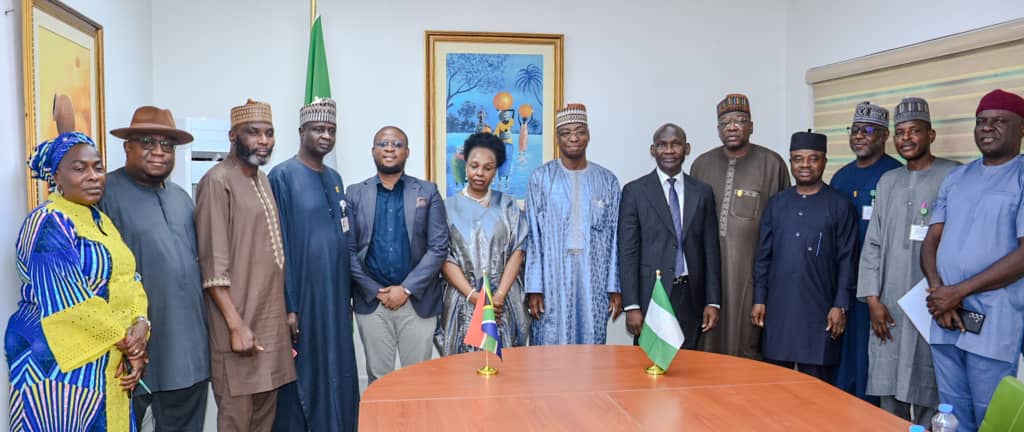
This followed a high-level meeting in Abuja between Nigerian officials and the Acting High Commissioner of South Africa, convened amid rising tensions over attacks on Nigerians and other foreign nationals.
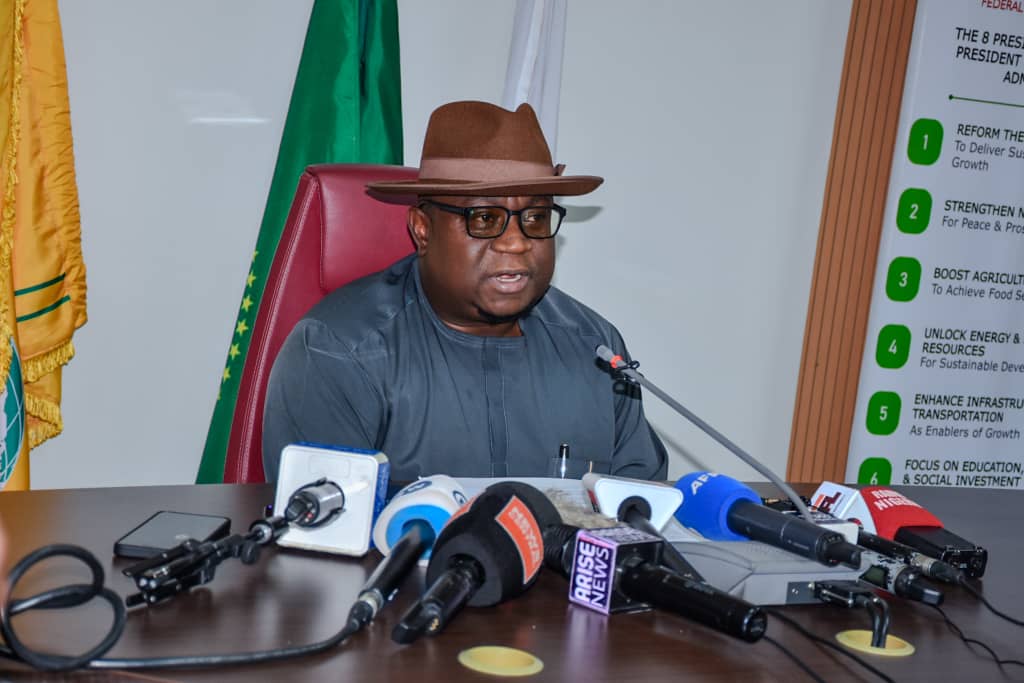
Briefing journalists after the meeting, the Ministry of Foreign Affairs spokesperson, Kimiebi Ebienfa, said Nigeria was seeking justice over the deaths of two Nigerians,
Nnaemeka Matthew Andrew Ekpeyong and Kelvin Chidiebere Amaramiro due to injuries sustained while in the custody of South African Security Agencies, under controversial circumstances.
“We have requested thorough and impartial investigations into the deaths, including the prompt sharing of findings and continuous updates with the Nigerian government,” he said.
According to the Ministry, one of the victims died while in police custody after allegedly sustaining injuries linked to security personnel, while another died in hospital following an alleged assault.
The Nigerian government expressed strong concern over what it described as growing threats against its citizens, insisting that those responsible for violence must be held accountable.
“We emphasised the need for accountability where wrongdoing is established, including appropriate disciplinary and prosecutorial action against implicated personnel,” Ebienfa stated.
He added that Nigeria is demanding access to autopsy reports, case files, and legal processes to ensure transparency for the victims’ families.
The Government of Nigeria expressed strong concern over reported threats against foreign nationals in South Africa, including those attributed to a group reportedly led by Jacinta Zuma, and other groups such as Operation Dudula and emphasised the need for proactive measures to prevent incitement, intimidation, or violence.
A major outcome of the meeting was Nigeria’s confirmation that South Africa has now agreed to sign and implement a long-awaited Early Warning Mechanism agreement between both countries.
“This mechanism provides a structured platform for rapid information sharing and joint response to emerging threats,” the spokesperson explained.
The framework is expected to establish joint committees comprising officials from both countries to proactively address crises such as protests, violence, and misinformation before escalation.
Nigeria noted that recent protests in parts of South Africa, including campaigns by groups calling for foreigners to leave, have heightened fear among Nigerians living in the country.
“Some of the videos circulating are disturbing, especially considering the cordial relations between Nigeria and South Africa,” Ebienfa said.
The government also condemned inflammatory rhetoric and called for decisive action against groups inciting violence.
Nigeria urged South African authorities to guarantee the safety of Nigerians and other African migrants, stressing the need to end profiling and ensure due process in arrests and detention.
“There must be clear directives against discrimination and strict adherence to professional standards by security agencies,” he added.
While acknowledging protests by a group of Nigerians in Abuja, the government appealed for restraint.
“We urge all Nigerians to remain law-abiding and avoid actions that could escalate tensions,” Ebienfa said.
He reiterated Nigeria’s commitment to diplomatic engagement while safeguarding the rights and dignity of its citizens abroad.
The Spokesperson stated that the acting High Commissioner had assured Nigerian authorities that the concerns raised would be communicated to Pretoria, noting that the South African government does not support xenophobic violence.
Sandra Chukwugekwu
About The Author