Child rights advocates have called on the National Assembly to expedite the passage of the Child Online Access Protection and Online Violence Against Nigerian Child Bill, warning that delays could leave millions of children exposed to growing online threats.
The appeal was made during interviews with newsmen in Abuja on the sidelines of a stakeholders’ roundtable.
The Country Director of Lawyers Without Borders in Nigeria, Angela Uzoma, described the bill as one that directly affects the lives of children across the country.
According to Uzoma the proposed legislation seeks to protect Nigerian children from cyberbullying, online abuse, cyber extortion and other forms of digital exploitation.
She said the call became necessary amid increasing concerns over children’s exposure to online risks, with a UNICEF report which shows that in Nigeria, about 90 per cent of children face online dangers, including cyberbullying, exposure to inappropriate content and exploitation.
According to the Country Director of Lawyers Without Borders in Nigeria, the widespread access to digital devices among children has significantly increased their vulnerability to online violence and abuse.
She listed cyberbullying, online grooming, sexual exploitation and sextortion among the dangers children face online, noting that predators often disguise themselves as children to target young users.
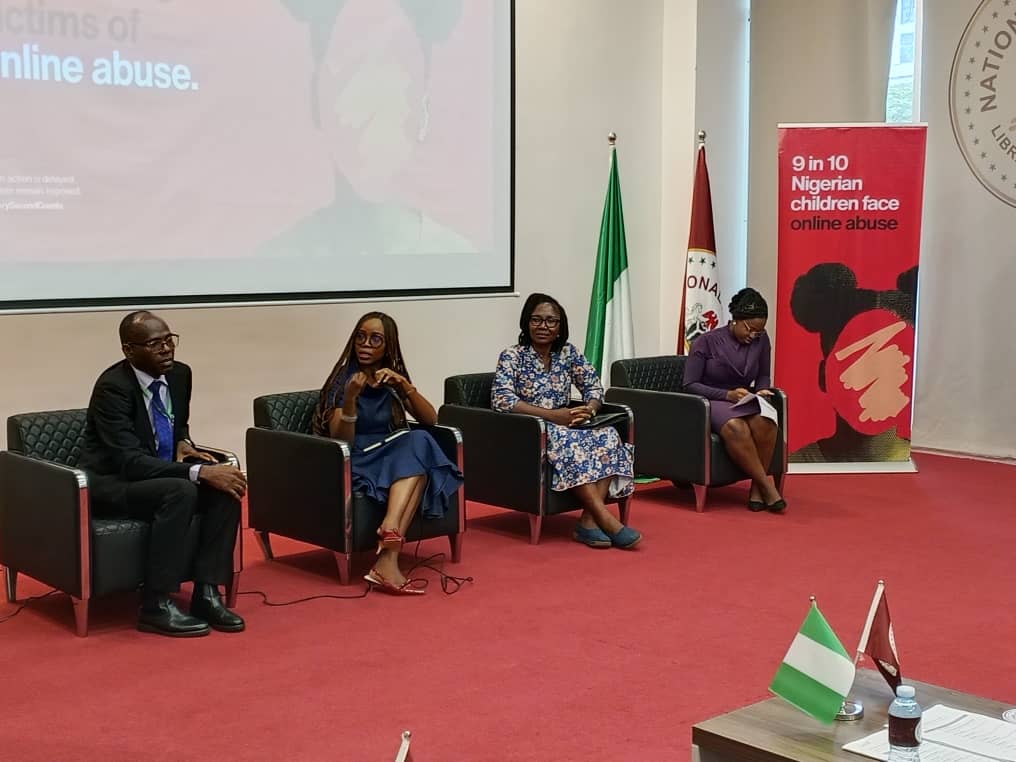
”We have children being groomed and threatened online. We have predators pretending to be children and targeting children. We have sextortion, where children are tricked into exposing intimate parts of their bodies to adults hiding behind false identities,” she said.
She called on the Nigerian Senate to urgently pass the bill to strengthen protections for children in the digital space.
The Coordinator of the General Unit at the National Assembly, Christiana Eguma, said the legislation was designed to address the realities of a digital age in which many children access the internet without adequate supervision.
She said the bill would place greater responsibility on internet platforms to detect and remove harmful content targeting children.
”It puts accountability on the platforms themselves so that they can take responsibility for removing harmful content early enough”.
Mrs. Eguma added that the legislation promotes shared responsibility among parents, schools, technology companies and children themselves in ensuring online safety’
Other Advocates in their separate remarks stressed the need for collective action to safeguard children in the digital environment.
They urged parents and the public to remain vigilant and actively guide children in their use of the internet and social media, saying effective online protection requires the involvement of families, schools and society at large.

Tanimu Salihu
About The Author