
Nigeria has called for deeper collaboration among BRICS nations to strengthen sustainable health financing and drive progress toward achieving Sustainable Development Goal 3 (SDG 3): Good Health and Well-being.
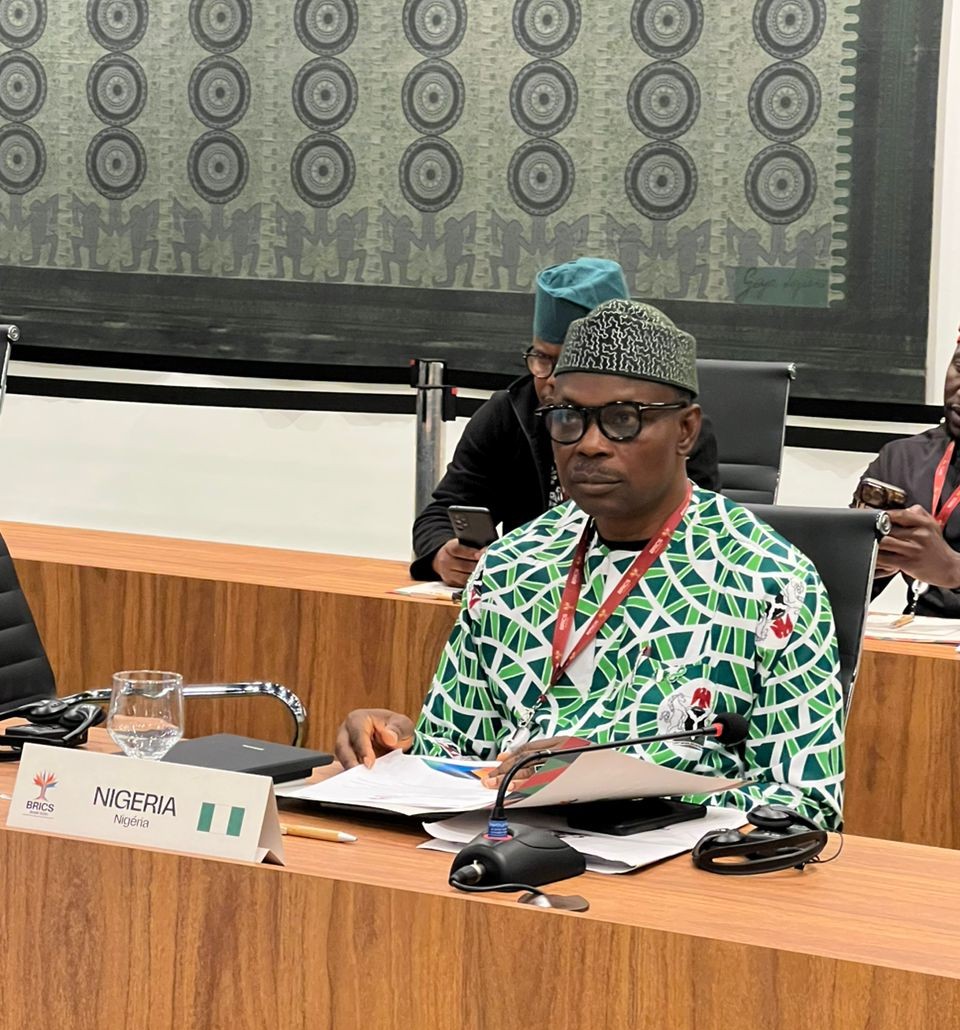
Speaking at the 15th BRICS Health Ministers’ Meeting held at the Itamaraty Palace in Brasília, Brazil, the Minister of State for Health and Social Welfare, Dr. Iziaq Adekunle Salako, stressed the importance of partnership, knowledge exchange, and South-South cooperation to ensure equitable access to quality healthcare and to address emerging global health threats.
“Global health is currently faced with several interconnected challenges including the rising burden of non-communicable diseases, pandemics, climate change, antimicrobial resistance, pollution, wars, and shrinking funding ecosystems. These call for stronger South-South cooperation and greater global solidarity,” Dr. Salako said.
He noted Nigeria’s readiness to partner with BRICS countries in areas such as pharmaceutical and biomedical research, development of phytomedicine, academic exchange, and boosting domestic manufacturing capacity for drugs, vaccines, and medical devices.
Reflecting on the lessons from the COVID-19 pandemic, Dr. Salako emphasized the importance of global solidarity:
“COVID-19 reminded us that until everybody is safe, nobody is safe. No country, no matter how powerful, can stand alone in the face of global health challenges. The BRICS Health Ministers platform offers a unique opportunity for some of the world’s most populous countries to collaborate on solutions.”
He also shared updates on Nigeria’s Health Sector Renewal Investment Initiative, a framework for implementing President Bola Ahmed Tinubu’s Renewed Hope Agenda in health. The initiative is anchored on four strategic pillars: effective governance, efficient and equitable health systems, unlocking healthcare value chains, and enhancing health security.
Highlighting recent progress, Dr. Salako announced key milestones, including:
HPV vaccination success: Over 14 million girls aged 9–14 vaccinated by May 2025—setting a global record for the highest number vaccinated in a single round.
Budget boost: $200 million allocated in Nigeria’s 2025 budget to sustain AIDS, tuberculosis, and malaria programs.
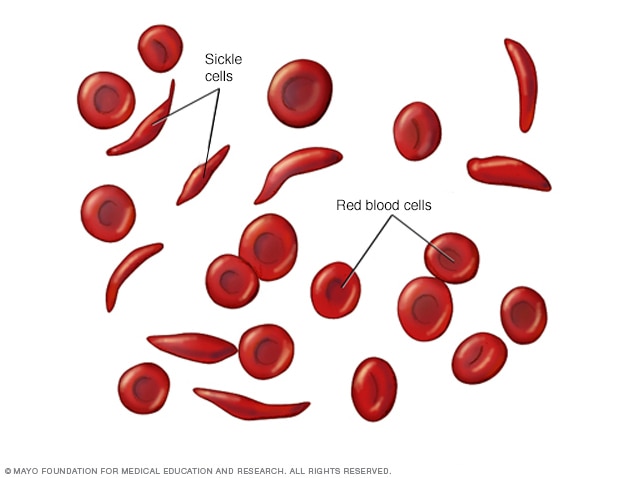
Regional leadership: Nigeria spearheading the implementation of WHO’s PEN-PLUS strategy to combat NCDs like Sickle Cell Disease, Type 1 Diabetes, Rheumatic Heart Disease, and childhood cancers.
He also noted ongoing efforts to revitalize Nigeria’s primary healthcare system, expand health insurance coverage, promote pooled procurement, and integrate digital and AI technologies into healthcare delivery.
Dr. Salako closed his remarks by urging BRICS nations to intensify joint efforts in tackling global health challenges, stating that:
“Collective action at the global level will complement national efforts and serve as an impetus for achieving SDG Goal 3—ensuring no one is left behind, for the betterment of all humanity.”
Editing by Daniel Adejo
About The Author