By Stanley Helon
Plateau State Governor Caleb Mutfwang has lamented the situation where the security challenges bedeviling the State are being politicized to suit narratives of some individuals.
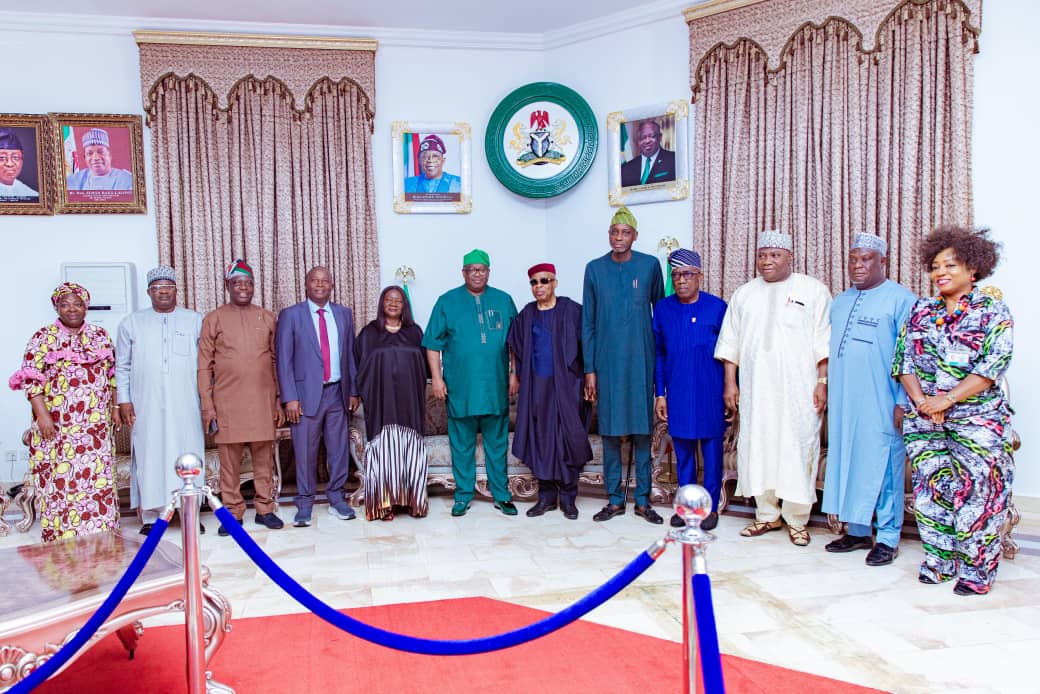
The Governor made this known when he received on a visit, Chairman of the Governing Board of the National Institute for Policy and Strategic Studies, NIPSS and his Management team at the Government House, Little Rayfield, Jos.
Governor Mutfwang described as unfortunate the lingering security treat confronting the State and the country at large, emphasizing the need for agencies such as NIPSS to play a vital role in providing first hand security information to the Presidency for proper actionable plans.
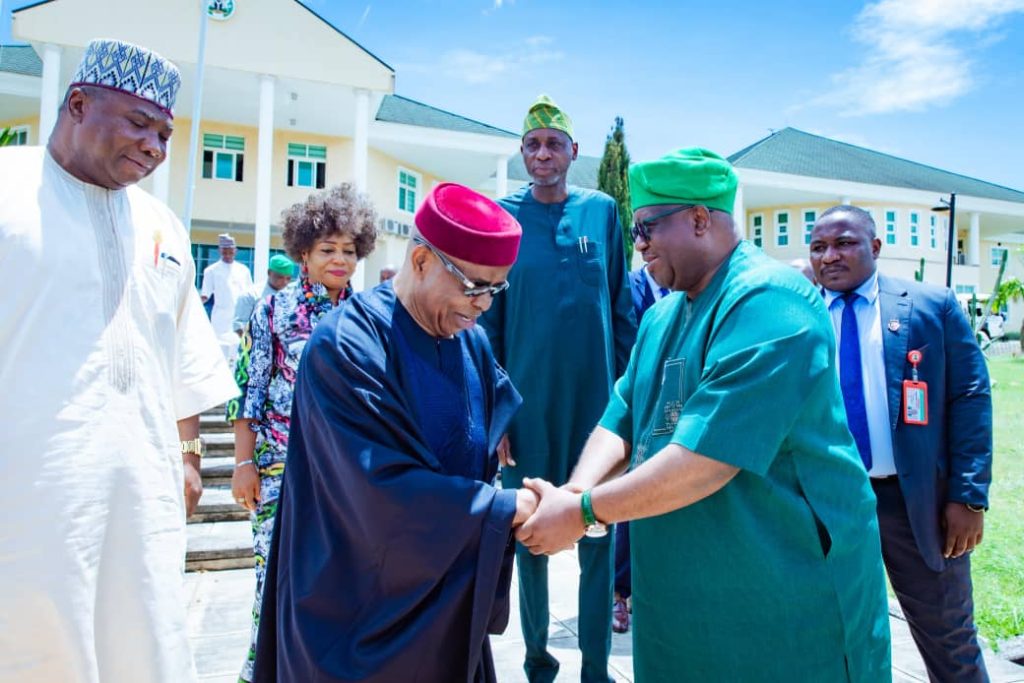
Mutfwang while welcoming the Board’s Chairman and his team to the State also applauded the Chairman for his positive role during the controversial third term drama, urging him to use his wealth of experience to uplift the institute.
The Governor noted that the State government was working hand in hand with the institute to ensure the security situation in the State was addressed.
Earlier, Board Chairman of the National Institute for Policy and Strategic Studies, NIPSS, Senator Ken Nnamani congratulated the Governor for the relative peace being enjoyed in the State and the State’s cultural troop for being invited to perform at the United Nation’s event at Washington DC.
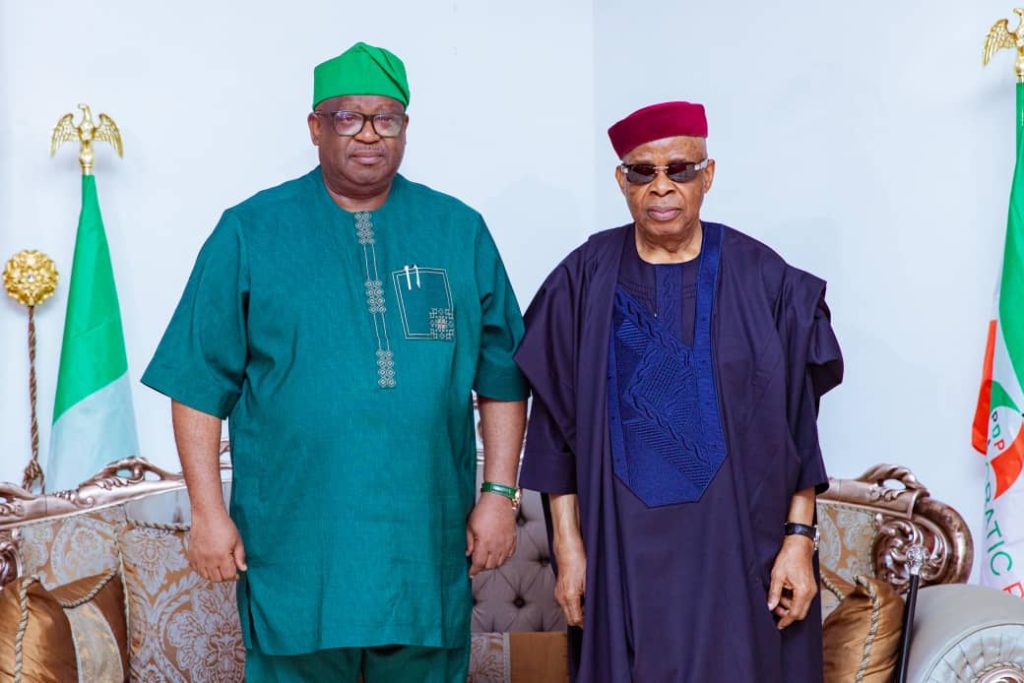
He added that the visit was aimed at exploring more avenues for collaboration, emphasizing that it is essential to synergy in finding solutions to common challenges and issues confronting the state.
The Director General of the Institute, Professor Ayo Omotayo stressed the need to still look into the land compensation issue, a situation he noted was on the verge of being settled and tasked the State Government to make a land mark by constructing a building to be named after the State at the institute.
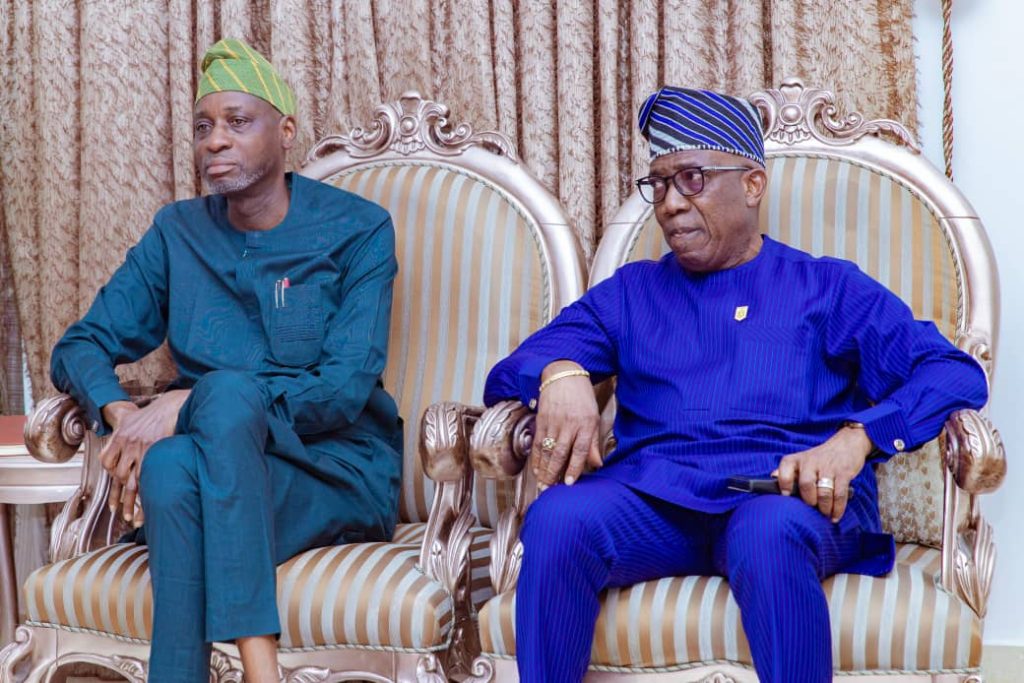
He also appealed for enhanced security measures, taking into account the unique topography of the area where the institute is situated and commended the existing relationship between the institute and the state government, highlighting its positive impact and advocated for continued collaboration.
Edited by Karen keyen
About The Author