By Terna Injua
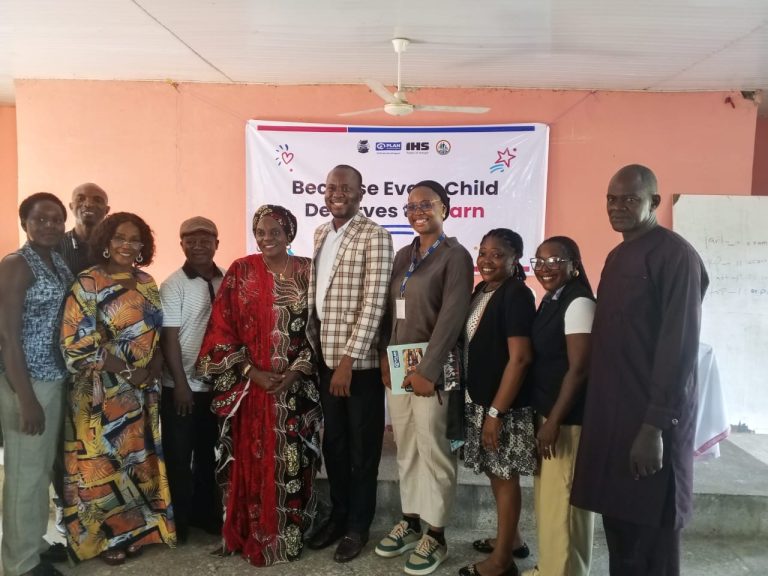
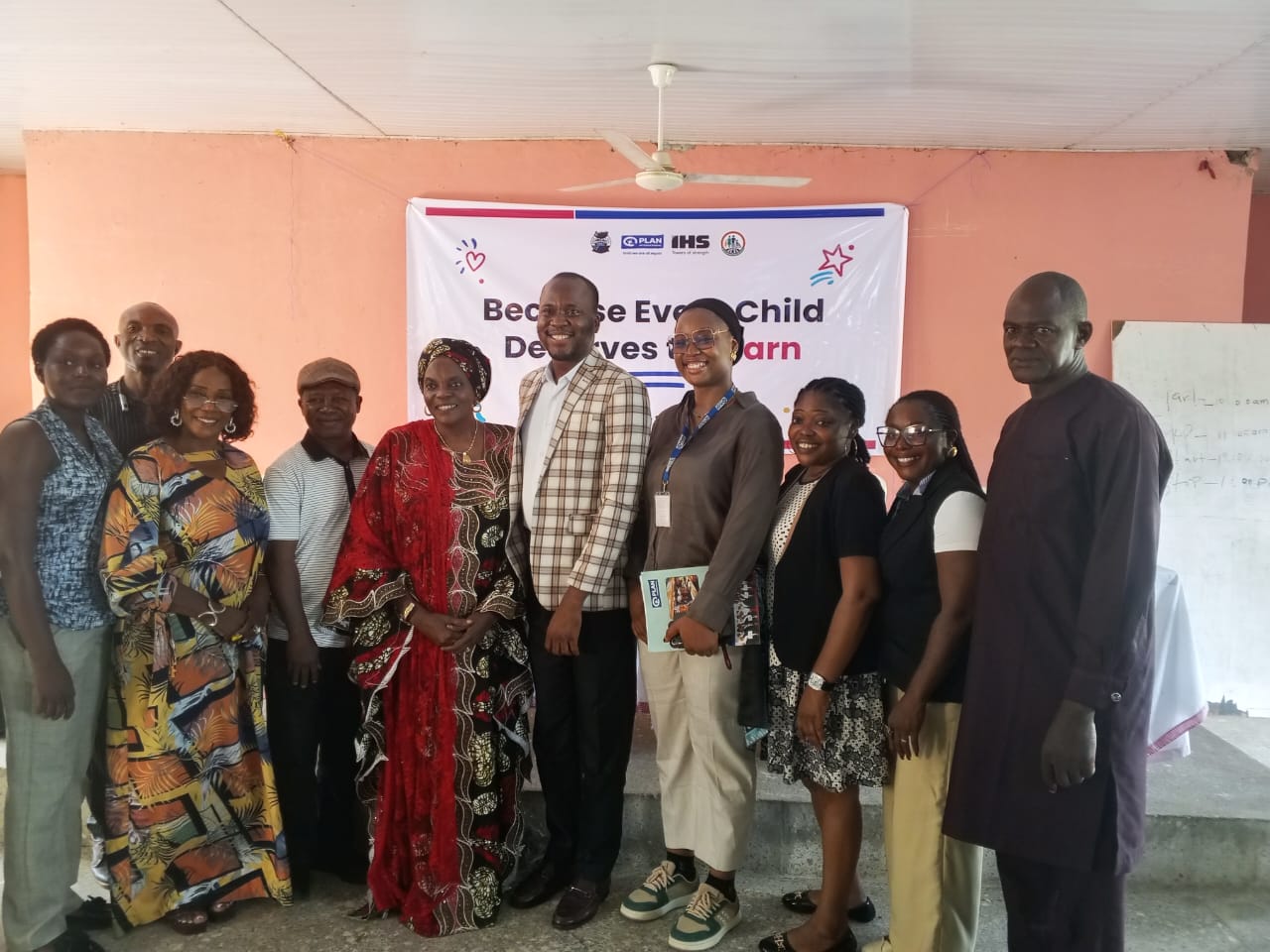
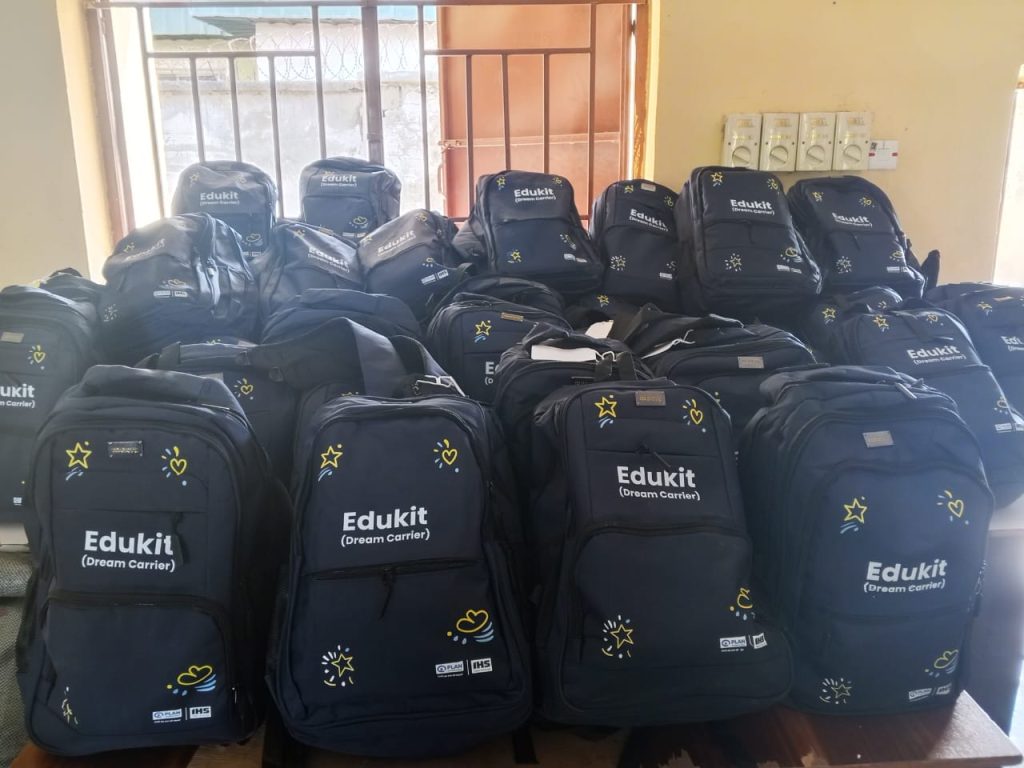
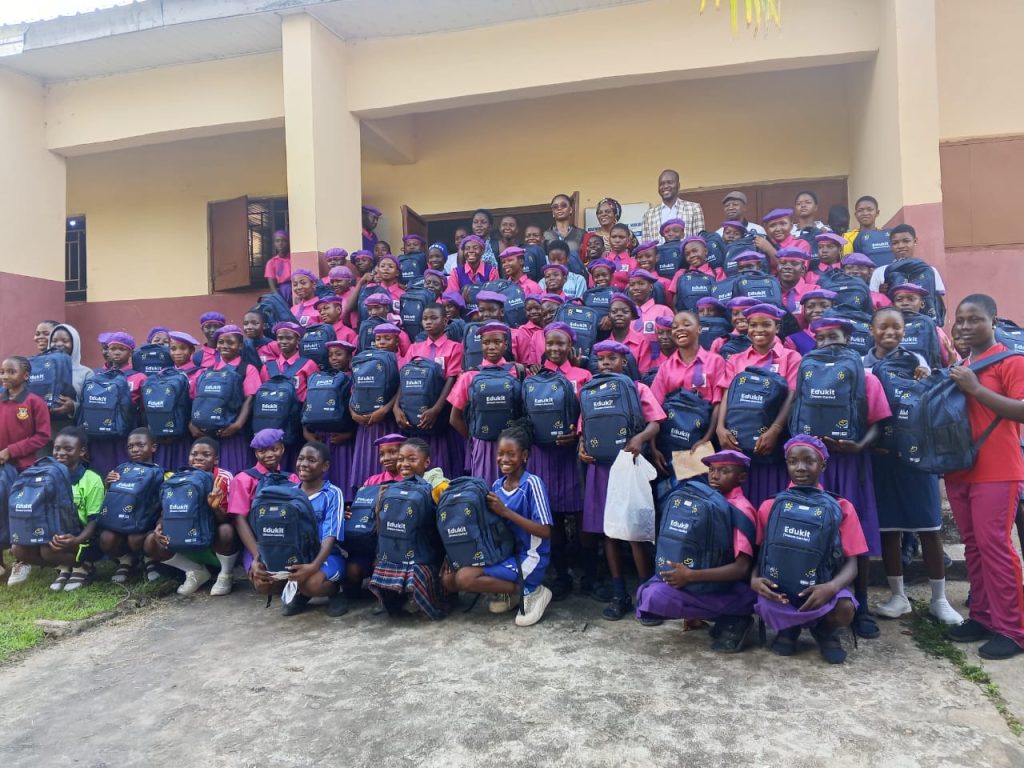
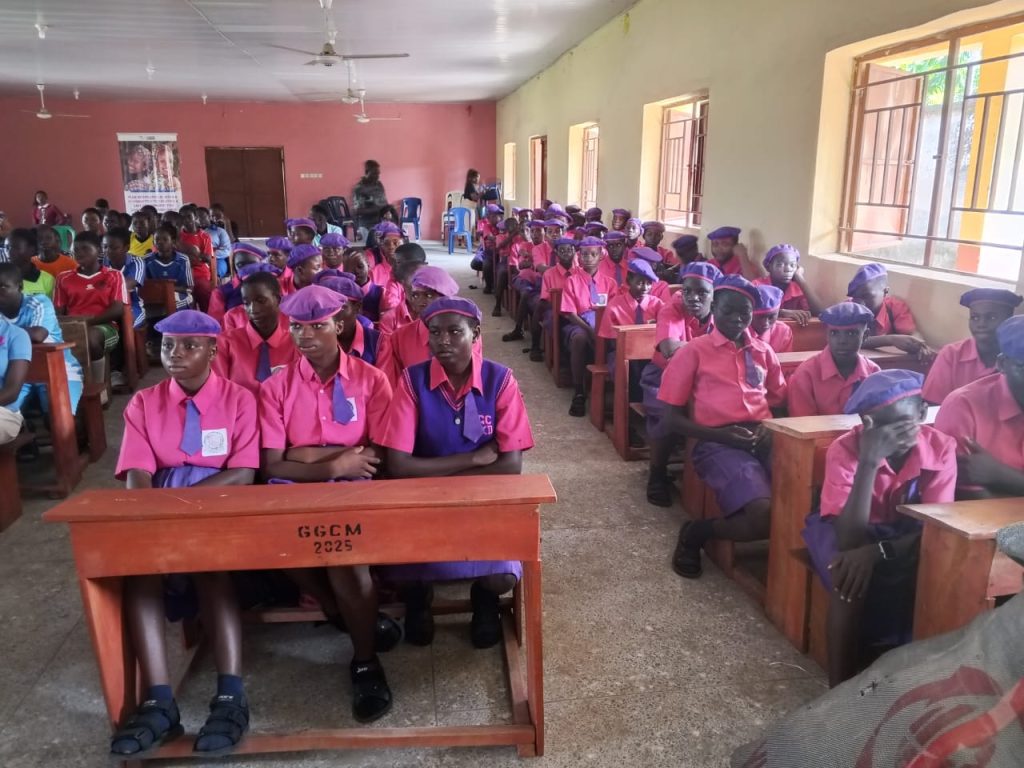
A Non Governmental Organization, Plan International Nigeria in collaboration with IHS Towers has distributed one hundred premium Edukits to vulnerable students of Government Girls College and Mama Abayol Ophanage Home, Makurdi Benue State.
The Edukits contain learning materials including exercise books, pencils, rulers, stationery sets, journals, school uniform material, water bottles, thermo flasks, backpacks, and mini dignity kits designed to support learning throughout an academic term.
Director of Philanthropy and Business Development, Plan International Nigeria, represented by Rufaidat Al-Siddiq said the initiative was to advance the rights of the girl child to quality education by eliminating some of the barriers that prevent them from remaining in school.
The Director, who emphasized that the future of the country cannot be guaranteed if the citizens are not empowered with the right education, maintained that the organization has involved the government and other private organizations to ensure that the initiative is sustained and expanded.
Benue State Commissioner for Women Affairs and Social Welfare, Theresa Ikwue, represented by the Director Child Development, Mrs. Janet Daagba commended Plan International Nigeria for strengthening the education of the vulnerable children, pointing out that the initial aligns with the rights of the children to quality and affordable education.
Director General, Bureau for International Corporation and Development, BICD, Leo-Angelo Viashima appreciated the organization for its impactful humanitarian service to the state and assured that BICD would always partner such organizations to make life better for the people while urging the beneficiaries to make good use of the kits.
The Principal Government Girls College Makurdi, Mr. Alexander Ihongo advised the students to see the kits as a source of encouragement towards academic excellence and discipline while two of the beneficiaries, Blessing Akor and Aisha Mustapha promised to utilize the Edukits to enhance their studies.
Edited By Terna Injua
About The Author