By Grace Damulak
The Plateau State Government has reaffirmed its commitment to strengthening tuberculosis control efforts across the state.
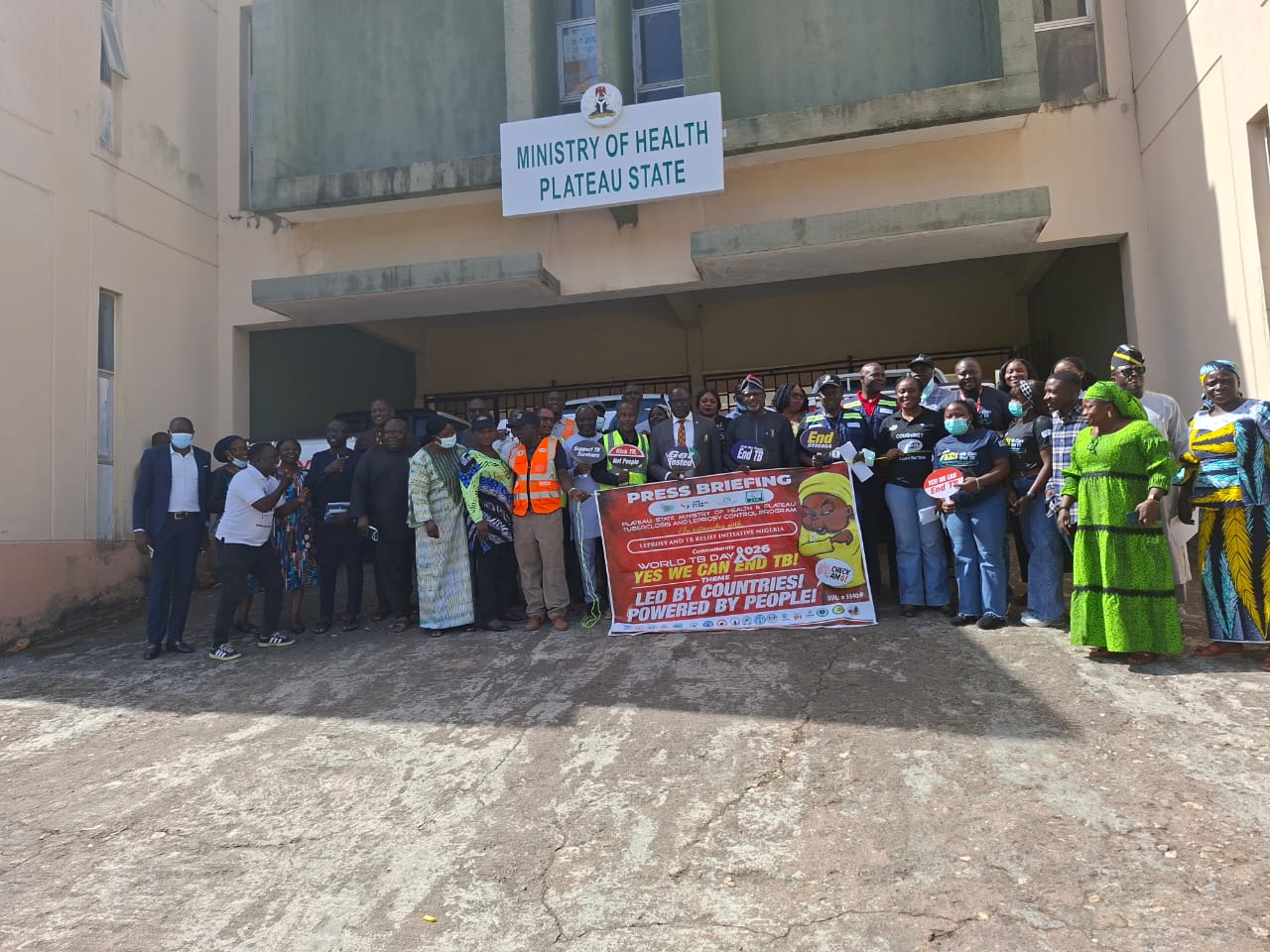
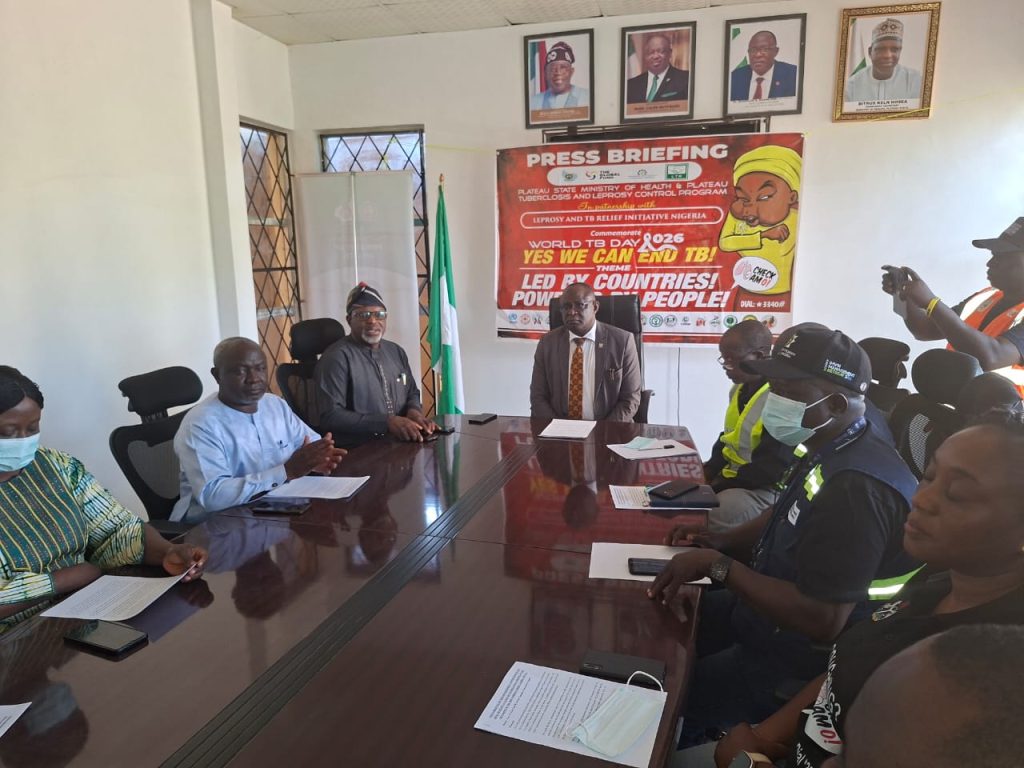
The Commissioner for Health, Dr. Nicholas Ba’amlong, made this known during a press briefing to commemorate the 2026 World Tuberculosis Day, themed “Yes! We Can End TB: Led by Countries, Powered by People.”
World Tuberculosis Day is observed annually on March 24 to raise awareness about the global burden of tuberculosis and efforts toward its elimination.
The day also marks a historic breakthrough against the disease in 1882 when Robert Koch discovered the bacterium responsible for tuberculosis, paving the way for its diagnosis and treatment.
Tuberculosis, caused by Mycobacterium tuberculosis, is an infectious disease transmitted through airborne droplets. Key symptoms include persistent cough lasting two weeks or more, weight loss, fever, and night sweats.
In Nigeria, tuberculosis diagnosis and treatment services are provided free of charge at designated health facilities.
Dr. Ba’amlong explained that in Plateau State, TB control services have been integrated into the general healthcare system, with over 640 out of 1,470 public and private health facilities offering TB services.
He noted however, that out of an estimated 11,540 TB cases recorded in 2025, only 5,397 were officially reported, warning that an untreated TB patient could infect between 10 and 15 persons annually.
The Commissioner called on residents to remain vigilant and report any symptoms suggestive of tuberculosis to the nearest health facility for free testing and treatment.
He also appreciated the support of the National Tuberculosis and Leprosy Control Programme, alongside partners such as the Institute of Human Virology Nigeria, World Health Organization, and APIN, for their continued efforts in diagnosis, treatment, and capacity building for healthcare workers.
Dr Baamlong reiterated government’s commitment to creating an enabling environment to intensify the fight against tuberculosis and achieve a TB-free society.
Edited by Karen keyen
About The Author