By Sunny Adebija
Governor Ahmed Usman Ododo has reiterated his administration’s commitment to worker’s welfare, sustainable reforms, and building a more productive civil service in Kogi State.
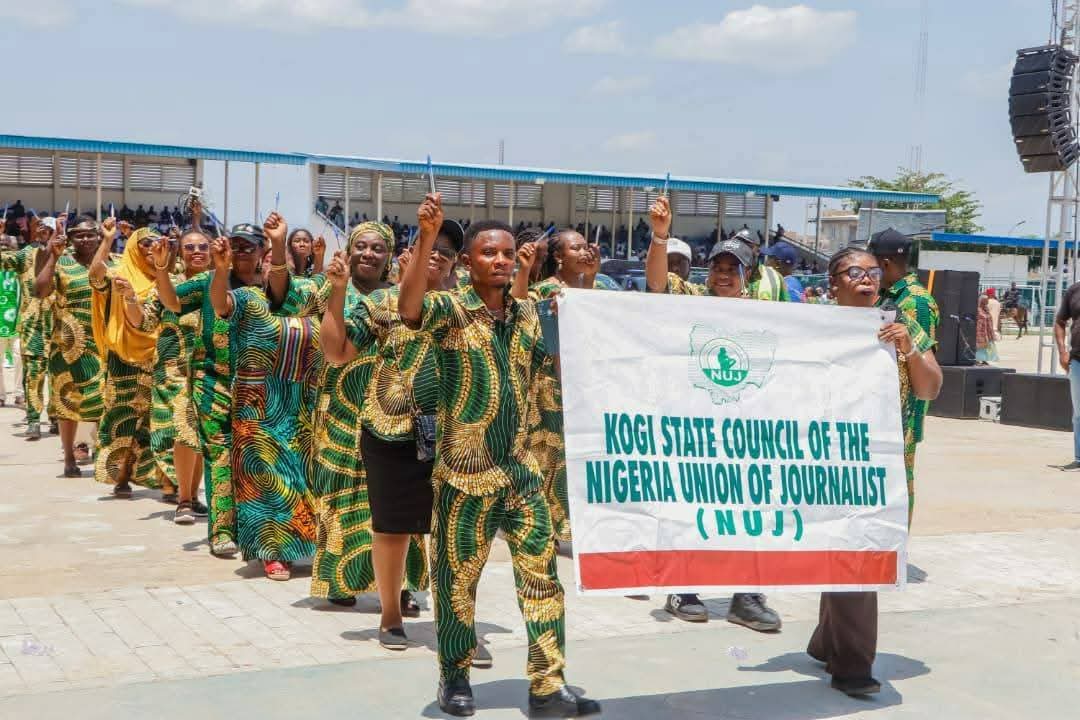
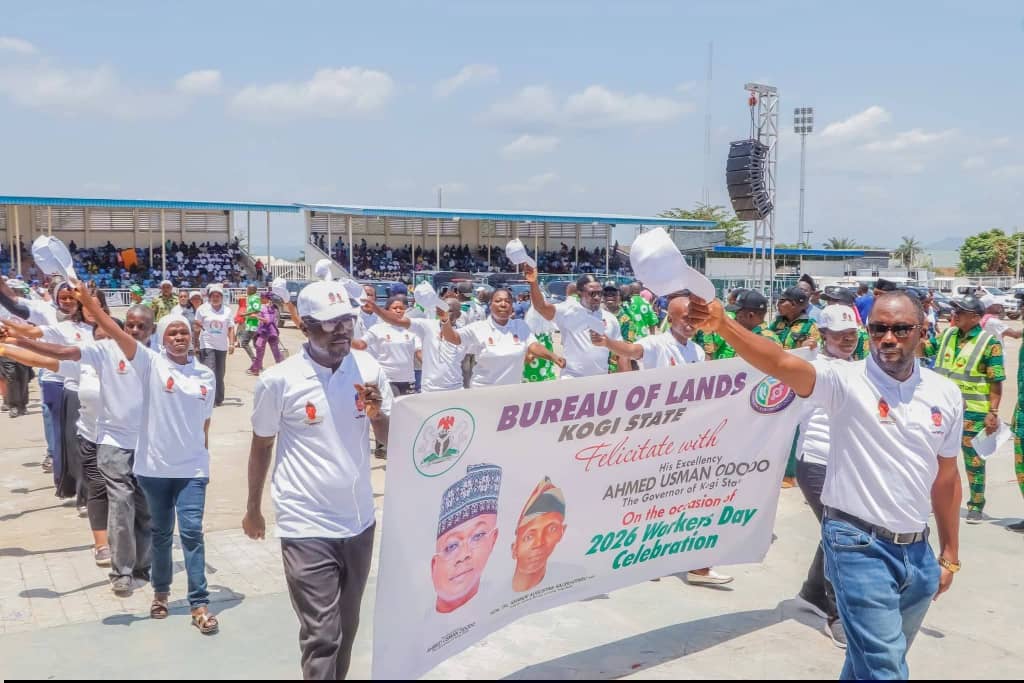
Speaking at the 2026 Worker’s Day celebration in Lokoja, the governor described workers as the backbone of the state’s development and assured them that their contributions would continue to be recognised and rewarded.

He outlined key achievements of his administration, including the prompt payment of salaries and pensions, implementation of staff promotions, settlement of gratuities, and the maintenance of industrial harmony through continuous engagement with labour unions.
He also highlighted ongoing investments in capacity building aimed at improving efficiency and service delivery in the public sector.
Governor Ododo further commended President Bola Ahmed Tinubu for national reforms which he said have enhanced the ability of states to meet wage obligations and improve workers’ welfare.
He urged civil servants to remain dedicated to their duties, avoid acts of indiscipline, and support the government’s development agenda, particularly efforts to industrialise the state and position it as a production hub.
Earlier, the Chairman of the Nigeria Labour Congress (NLC), Kogi State Council, Comrade Amari Gabriel, acknowledged the government’s progress, especially in salary payments, pension reforms, and infrastructural development.

He also praised initiatives such as the proposed Kogi International Airport, improved road networks, free education policies, and the payment of WAEC fees for students.
However, the labour leader noted that several challenges still require urgent attention.

According to him, these include the reinstatement of 441 workers previously cleared by the Civil Service Commission, recruitment to address manpower shortages across ministries, departments, and agencies, and the introduction of mass transit buses to ease transportation for workers.
He further called for reforms in the health sector, including the implementation of a five-year retirement extension for health professionals and improved coordination of primary healthcare services.
Edited by Ajifa Ainoko
About The Author