By Ive Gulu
Two hundred personnel of the operation rainbow security outfit in Plateau State are to be trained by the kukah centre as a way of improving their operational capacity.
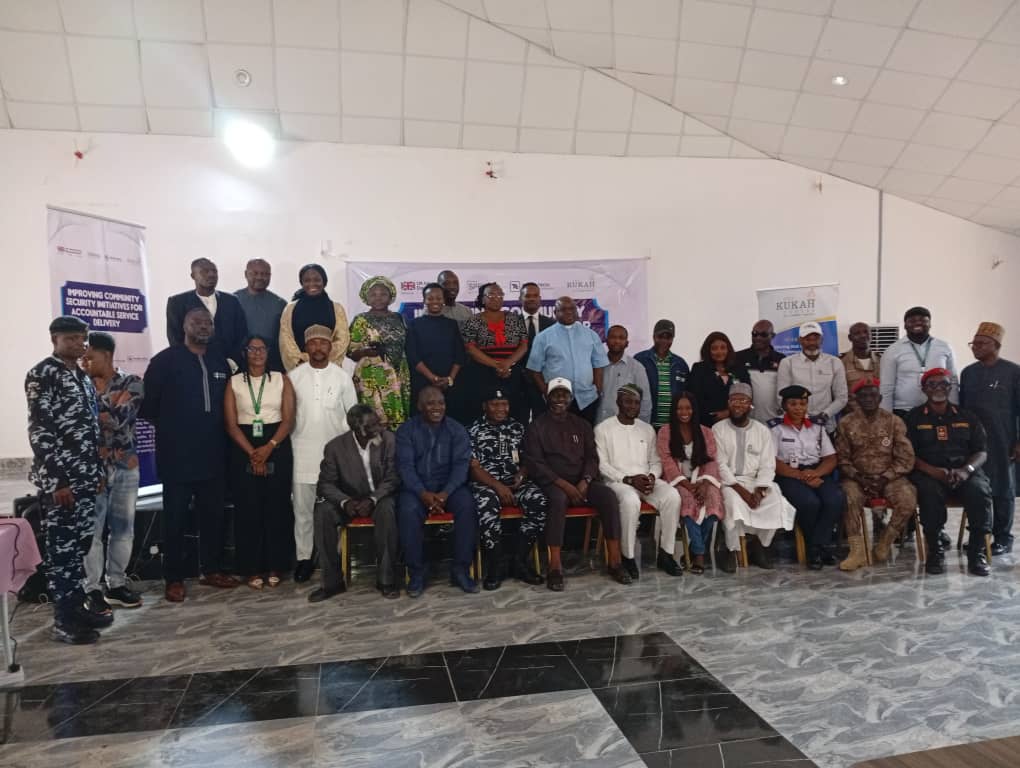
This was revealed at a stakeholders engagement between the kukah centre in collaboration with Tetra tech international Development held in Jos.
The prevailing insecurity in the country has led to the establishment of several security outfits by different state governments.
In Plateau State, the administration of then Governor Jonah Jang established the operation rainbow in response to continuous attacks on local communities.
The stakeholders engagement with the theme, improving community security initiatives for accountable service delivery had in attendance, security agencies, religious leaders, political officer holders, legislators and the civil society.
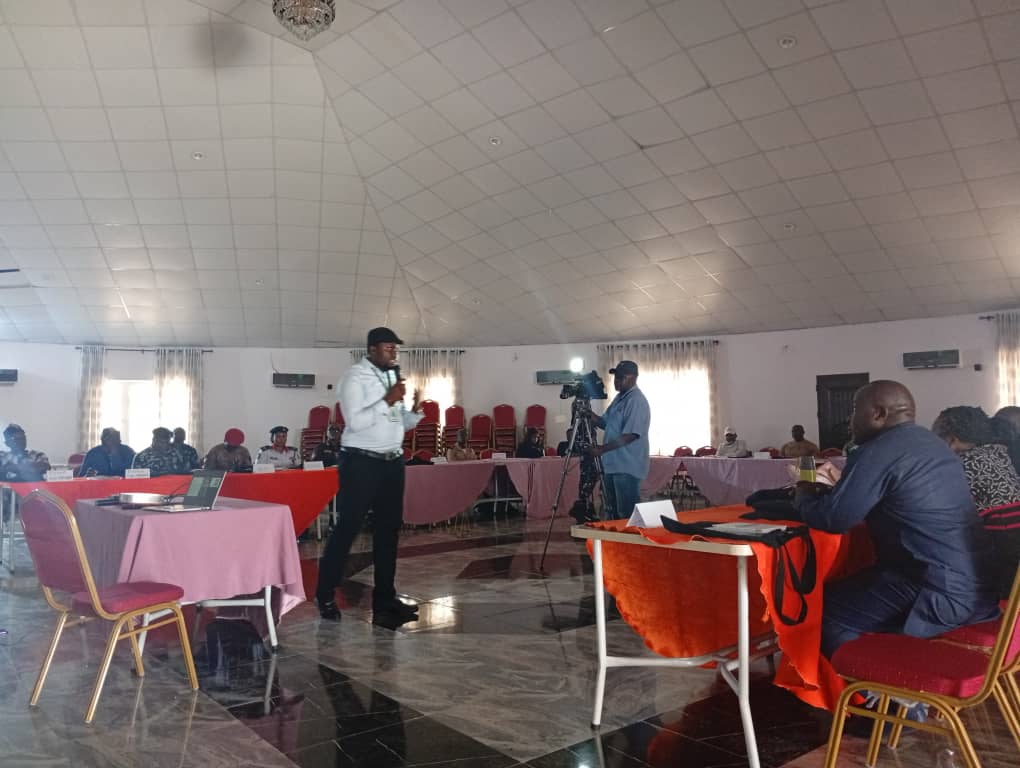
It was aimed at studying the legal framework of the security outfit with a view to improving it’s operational capacity.
Delivering the message of the Executive Director of the Kukah Centre Reverend Father Attah Barkindo, the technical advisor, Mr Saka Azimazi said similar initiative has been held in other states of the federation.
Giving an overview of the project, the monitoring and evaluation officer of the Centre, Mr Sesugh Simon revealed that as part of strategies to carry relevant stakeholders along, advocacy interactives have been held with the commander operation rainbow, the commissioner of police and the speaker of the state House of Assembly towards exploring areas of collaboration.
Speaking with newsmen, member representing shendam in the House of Assembly, and chairman House committee on labour and security, Joe Bukar promised the legislature will expedite action on implementing resolutions arrived at the stakeholders engagement as it will make the security outfit better positioned to serve the people.
Representative of the operation rainbow Linda Dung described the engagement as Apt.
Participants at the programme identified some lapses hindering effectiveness of the security body to include inaccessibility to the law establishing it, lack of community engagement, trust deficit, and delayed response to distress Calls.
Edited by Karen keyen
About The Author