By Esther Patrick Enna
Stakeholders from Nasarawa, Benue and Taraba States have expressed commitment to deepen Inter-State collaboration for lasting peace and inclusive development in their states and the country.
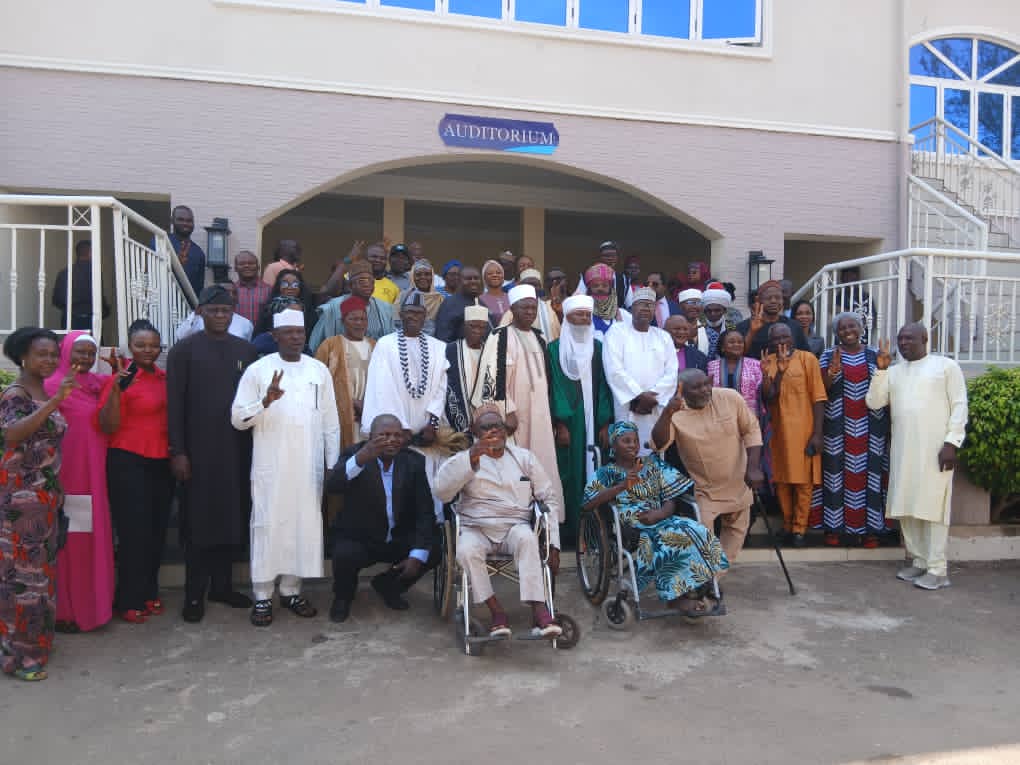
They made their feelings known at a two day collaborative approaches to enhancing peace building and addressing conflicts across the three states in Lafia, the Nasarawa State Capital.
Nasarawa State Commissioner for security and sundry matters, Usman Baba underscored the importance of peace to the development of the states, noting that traditional and religious leaders have critical role to play in supporting the government to have lasting peace in the country.
On their parts, the Emir of Azara. Doctor Kabiru Musa Ibrahim and the Ter-Kwande, Timothy Ahile promised to join hands with the government and security agencies to fetch out perpetrators of conflict across the three states.
Earlier, the Deputy Team Leader of Strengthening Peace and Resilience in Nigeria, SPRING Programme, Priscilla Yachat Ankut, stated that the Inter-State engagement aimed to identify and address insecurity in the region, exploring strategies to effectively combat it.
Panelists from the three states including, Mr Adokwe Ladan, that of Benue Josephine Habba and Bishop Innocent Solomon from Taraba identified the root cause and steps taken by their various states to address insecurity to include community dialogue, peace building initiatives among others.
Some participants including A Senior Special Assistant to Governor Abdullahi Sule, Doctor Mohammed Osolafia, Focal Person, Inter-Faith Dialogue Network, Benue State Chapter, Doctor Fanan Abigail Gire, Executive Director, Beacon Youths Initiative, Mr Emmanuel Envoh Okolo and Nasarawa State Co-ordinator, Advocacy for Women with Disability Initiative, Mrs Asaba Averson said the meeting was apt, owing to the insecurity challenges in the region.
The meeting which was geared towards deepening inter-state collaboration, developed practical mechanisms for sustainable collaboration and engagement brought together traditional rulers, religious leaders, civil society organizations and persons with disability to identify short term interventions and learning pathways for lasting peace across the states.
Edited by JOEY Anzaku.
About The Author